
Extraction
All-out sports gambling needs to be reined in

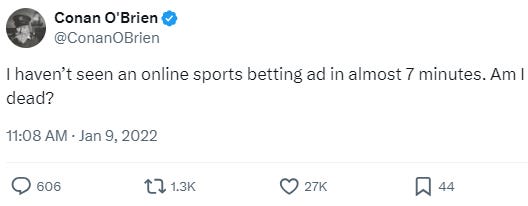
For as long as I can remember, the typical commercial break during a sports broadcast went: car ad, beer ad, rival beer ad, insurance ad, network promo. There’s been a change in the past few years. Now, a single break in the action might entirely consist of a FanDuel ad, DraftKings ad, MGM or Caesars ad, and a Bet ESPN plug! After a century of gambling being taboo in American professional sports, almost overnight, it's been completely embraced by the leagues, networks, and media.
The plugs aren’t limited to the advertisements, which feature A-list endorsers like Jamie Foxx and Kevin Hart, along with eye-popping hooks like “$1,000 first bet bonus”. They’re also a routine part of the studio hosts’ scripts and in-game announcers’ comments. “Live odds” that shift over the course of a game mean it’s never too late to place a wager (and never too late for a compulsive gambler to chase his or her losses).
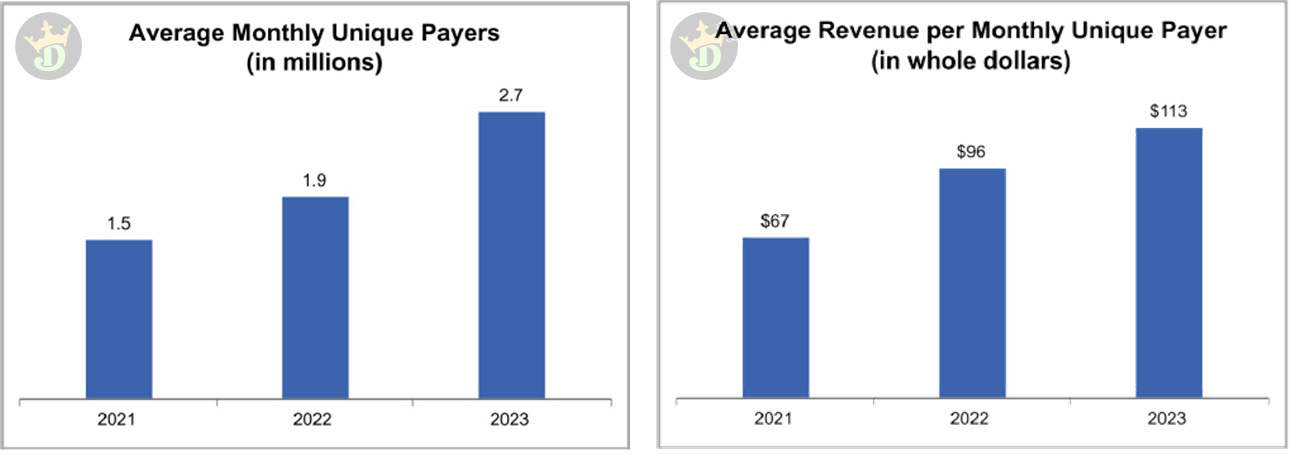
A Supreme Court ruling in 2018 ending Nevada casinos’ legal near-monopoly on sports betting paved the way for our current environment. The migration of gambling from casinos to always-available mobile apps has turbocharged the transition.1 What used to be—if one wasn’t using illegal bookies—a “when in Vegas” diversion is now at most Americans’ fingertips. These apps’ algorithms study the most effective timing of pop-up notifications and which promos entice users to keep wagering money.2
For all the fear of TikTok's algorithm, where’s the regulatory alarm over FanDuel's algorithm?
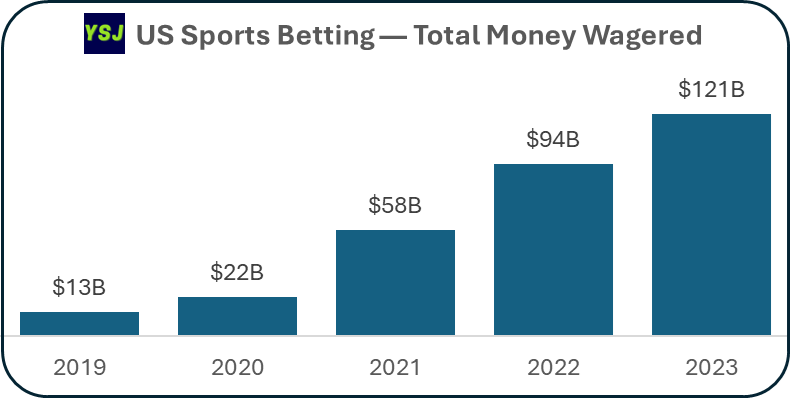
In 2023, over $121 billion was wagered by sports bettors in the U.S.—already a more than 9x increase from 2019! I am not surprised at how the ruthlessly efficient gambling industry is capitalizing on its opportunity. I also expect corporate expectations for increased profitability to lead sportsbooks (most of whom are part of publicly traded companies) to push increasingly risky wagers on fans.3
I am taken aback, though, by how eager the leagues have been to partner. The advertising and licensing money they get from sportsbooks may ultimately not be worth it in the face of a mountain of bad press about problem gamblers. And the surging popularity of “prop bets,” which are easy for an individual player to affect the outcome of, raises fair play concerns.
Predictably, with the mainstreamization of sports betting have come scandals. In March 2024 alone:
MLB’s most popular player, Shohei Ohtani, was apparently blindsided when his translator and “de facto manager,” Ippei Mizuhara, allegedly stole $16 million from Ohtani to cover gambling debts4
The NBA investigated Jontay Porter for colluding with bettors on his own play, and was subsequently permanently banned from the league5
Amit Patel received his prison sentence for stealing $22M from the NFL’s Jacksonville Jaguars, his erstwhile employer. Almost all of the money was spent on FanDuel and DraftKings
Not just the pros! The Temple men’s college basketball team was investigated for links to suspicious wagering. Two months later, there’s still been no public announcement or resolution
The toothpaste is out of the tube regarding gambling’s availability, which won’t go away. However, I would like to see much stronger regulation on advertising sports betting, a significant reduction in the range of prop bets offered, and for in-game broadcast references to disappear. We should copy the UK, which bars gambling ads from featuring athletes and celebrities.
While writing this post, I came across a recent essay by Emily Stewart, which well describes the “Number Go Up” phenomena. Essentially, sports betting is just one flavor of extractive business model—along with crypto, meme stocks, and gamified day-trading—based on delivering dopamine hits via (mostly) mobile phones… It’s time to push back!
Sports gambling is now legal in 38 states (and DC); 30 permit gambling via mobile app
A human touch supplements the analytics: “VIP hosts… offer credits and other incentives [ed: merchandise, game tickets] to persuade their most-valued gamblers—by definition, the biggest losers—to return.” (WSJ, Feb 2024)
Phil Mushnick: “Parlay bets [are] the big-payoffs super-sucker bets the leagues’ bookies sell hardest for that cynical reason.”
The numbers are staggering: in a little over two years, averaging 25 bets a day, Mizuhara had winning bets totaling $142 million—and losing bets of $183 million! Mizuhara’s string of desperate messages to his bookie are rough
Porter might not have been the first to do this, but surely no one did it as sloppily to ensure an “Under” bet paid off: “[His collaborator] placed an $80,000 same-game parlay bet that featured unders on Porter's statistics and would win $1.1 million... Porter played three minutes before leaving the game with an illness.”
Agreed wholeheartedly. We have jumped.the shark. How much longer until these apps allow wagers on mundane things like "amount of rain in Manhattan today" and "color of first car to enter Starbucks drive through in Waukesha"
I think we need to eliminate credit, all bets need to be prepaid with checking accounts, and each person should be limited to a set amount ($1000?) in bets unless registered as a professional bettor, in which case the IRS tracks all winnings.